Commercial Lot Clearing in Salt Lake City, UT
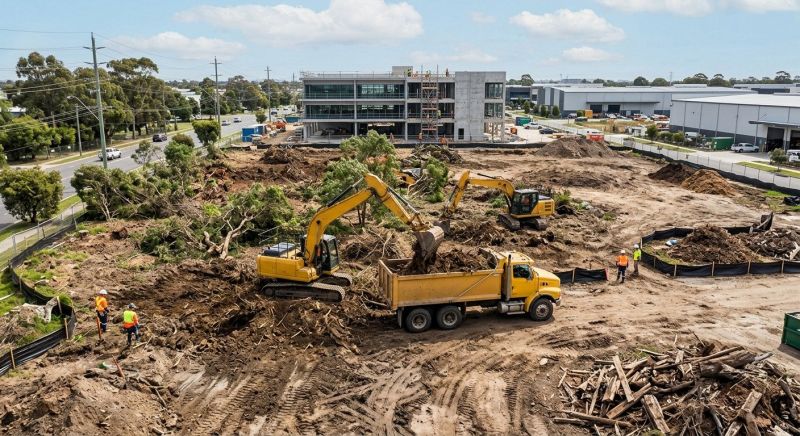
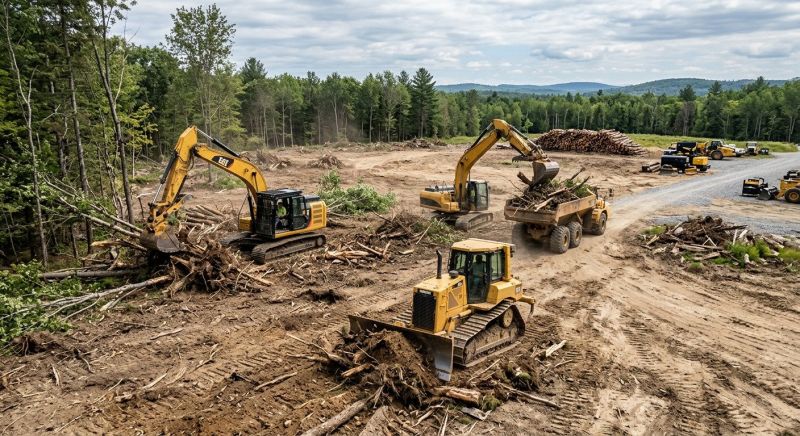
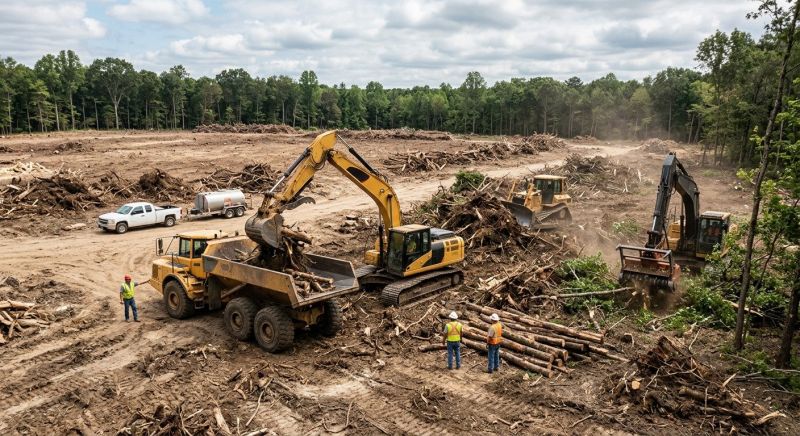
Commercial lot clearing services involve removing trees, brush, debris, and other obstructions from a property to prepare it for development, construction, or landscaping projects. This process typically includes grading, debris removal, stump grinding, and site leveling to create a clean, accessible space. Property owners often request this service when planning new construction, expanding existing facilities, or creating open areas for future use, ensuring the land is ready for the next phase of development.
Before requesting commercial lot clearing, property owners should understand the scope of work needed and any potential permits or restrictions in their area. It’s important to consider the size of the lot, the types of vegetation or debris present, and the desired end result for the property. Clarifying these details can help determine the appropriate services and ensure the project aligns with local regulations and land use plans.
Many property owners in Salt Lake City, UT look into Commercial Lot Clearing for repairs, replacements, upgrades, and appearance-related improvements.
Site Preparation For Development
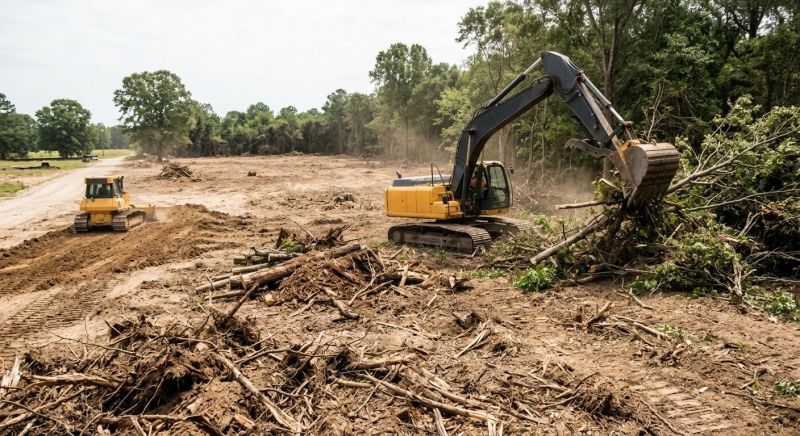
Clearing commercial lots prepares the land for construction and development projects.
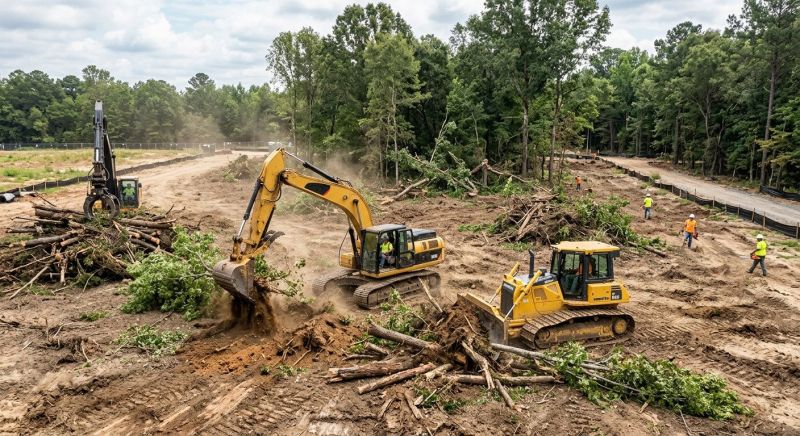
Vegetation And Obstacle Removal
Removing trees, shrubs, and debris creates a safe and accessible space for future use.
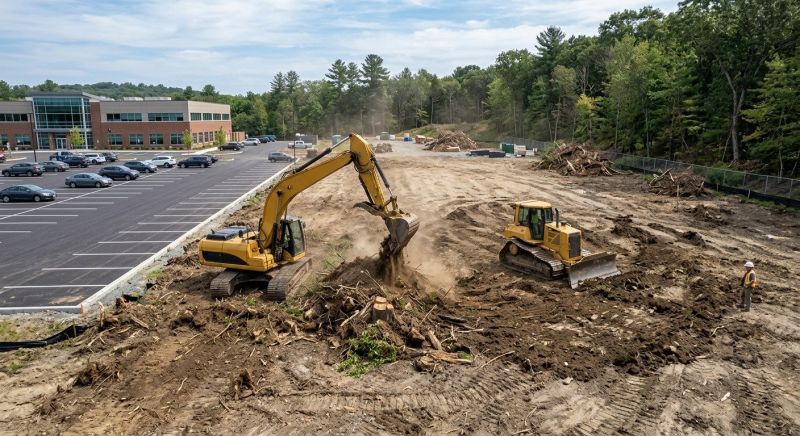
Land Clearing For Business Expansion
Preparing vacant lots in salt lake city, ut, for new commercial buildings or facilities.
Commercial Lot Clearing in Salt Lake City, UT
Commercial lot clearing services involve removing trees, brush, debris, and other obstructions from a property to prepare it for development, construction, or landscaping projects. This process typically includes grading, debris removal, stump grinding, and site leveling to create a clean, accessible space. Property owners often request this service when planning new construction, expanding existing facilities, or creating open areas for future use, ensuring the land is ready for the next phase of development.
Before requesting commercial lot clearing, property owners should understand the scope of work needed and any potential permits or restrictions in their area. It’s important to consider the size of the lot, the types of vegetation or debris present, and the desired end result for the property. Clarifying these details can help determine the appropriate services and ensure the project aligns with local regulations and land use plans.
Many property owners in Salt Lake City, UT look into Commercial Lot Clearing for repairs, replacements, upgrades, and appearance-related improvements.
Common Commercial Lot Clearing Jobs
Commercial Lot Clearing - Clearing overgrown vegetation and debris to prepare land for development.
Tree Removal - Safely removing trees and large stumps to create open space.
Brush and Debris Removal - Clearing shrubs, brush, and unwanted materials for a clean lot.
Grading and Leveling - Ensuring the land surface is even for construction or landscaping.
Site Preparation - Removing obstacles to facilitate building foundations and utilities.
Vegetation Clearing - Clearing dense plant growth to meet zoning and development requirements.
Commercial Lot Clearing Questions
What types of commercial lots require clearing services? Commercial lots with overgrown vegetation, debris, or existing structures may need clearing to prepare for development or landscaping projects.
Why is lot clearing important before construction? Clearing removes obstacles and creates a safe, level space for building foundations and site development.
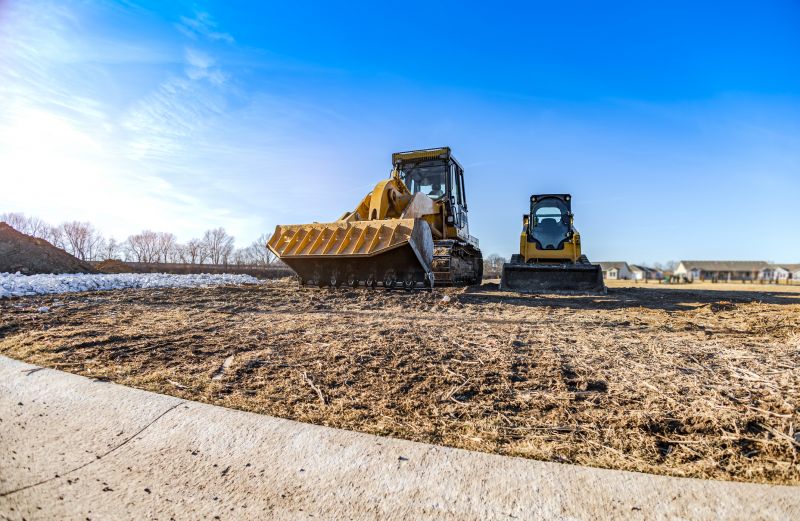
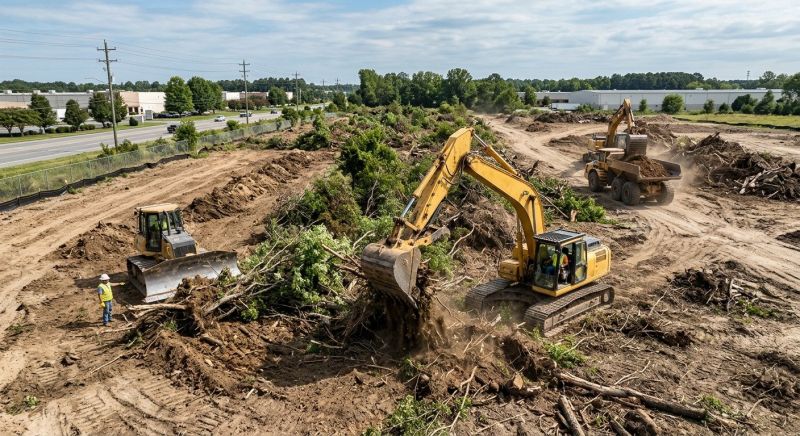
What equipment is typically used for lot clearing? Heavy machinery such as bulldozers, excavators, and skid steers are commonly used to efficiently clear large areas.
Are there permits needed for commercial lot clearing? Permits may be required depending on local regulations and the scope of the clearing project; checking with local authorities is recommended.
Request Commercial Lot Clearing in Salt Lake City, UT
Use the quote form on this page to share the basics of your project and request more information for the type of work you need.